













Request for Information (RFI): Monitoring Solutions for Turf Transformation Demonstration Sites
Due February 20, 2026
Download Request for Information
Background:
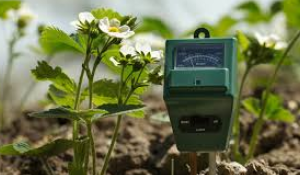
Our objective is to deploy a comprehensive suite of monitoring tools and sensors that will collect robust, standardized data collection before and after landscape transformation.
Landscape transformation refers to the intentional conversion of existing turfgrass into climate-resilient, water-efficient systems that may include native and climate-appropriate plants, improved soil structure, alternative irrigation methods, and nature-based features such as bioswales or rain gardens. These transformations are not a single event, but a process that unfolds over time. For this project, CalWEP seeks to monitor conditions before, during, and after implementation to understand both immediate and evolving impacts. Pre-installation monitoring establishes baseline conditions such as water use, soil moisture, surface and air temperatures, and site characteristics. During installation and establishment, monitoring focuses on short-term disruptions and transitions, including irrigation changes, soil disturbance, and early plant performance. Post-installation monitoring captures near-term outcomes such as reduced water demand, improved soil moisture retention, temperature moderation, and stormwater behavior, while recognizing that many long-term benefits—such as ecosystem function, plant maturity, and sustained performance—may take years to fully materialize. As such, this effort prioritizes practical indicators that can be measured within the project timeframe, while also laying the groundwork for understanding longer-term benefits that may be more difficult to ascertain in the short term.
The resulting data will inform statewide best practices, support agency reporting needs, and strengthen future grant proposals. We seek solutions that balance rigor and practicality, integrating quantitative and qualitative metrics.
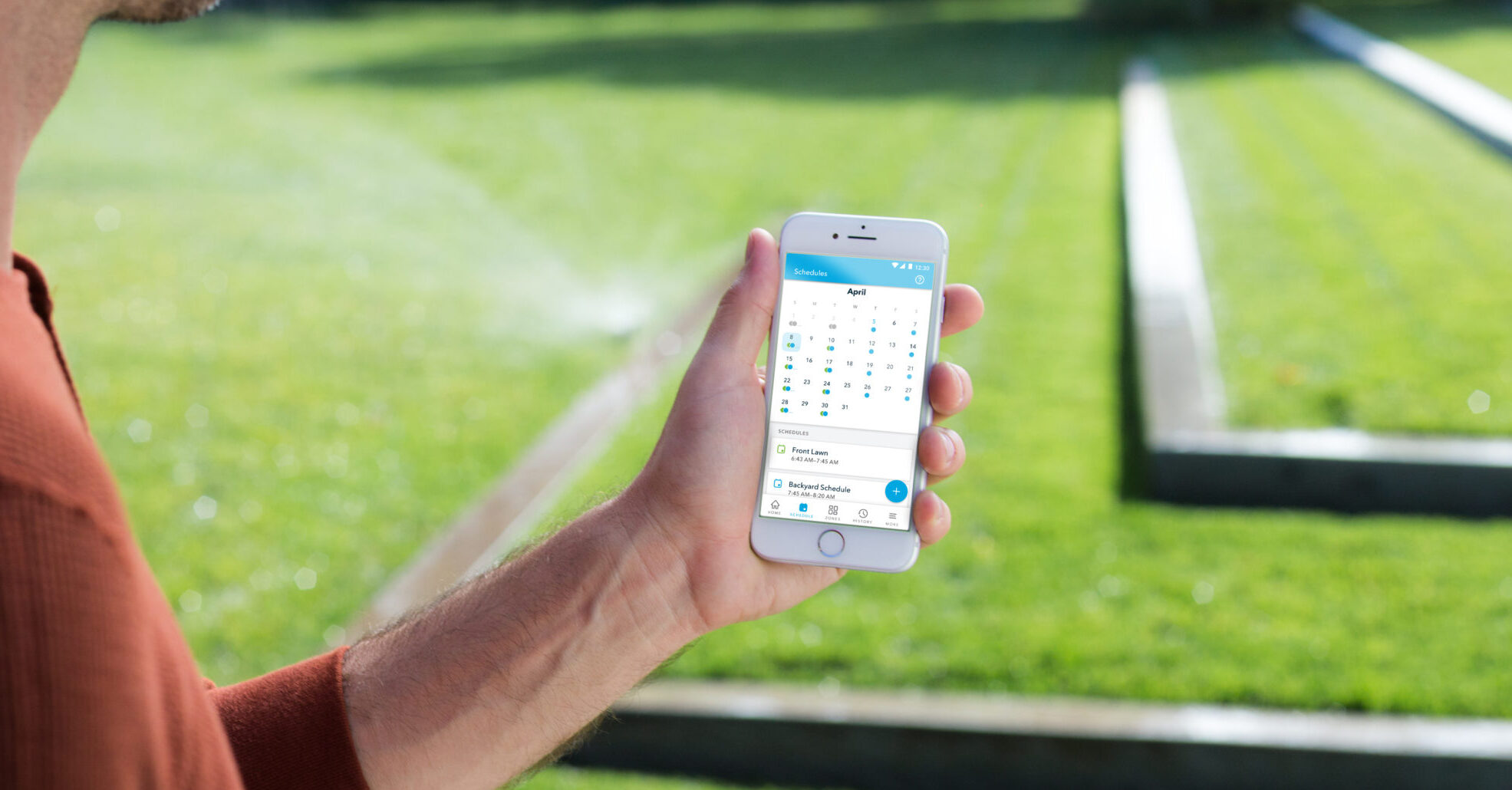
Reporting on this project will include both quantitative and qualitative metrics such as water savings (via billing data and flow sensors), soil moisture and retention, air and surface temperature, stormwater capture, air quality, plant survival, and customer experience. Each metric will be tracked using standardized methods and tools, with cost estimates and reporting value clearly defined.
Collected data will be integrated into digital tools, such as cloud dashboards and case study compendiums, to facilitate real-time visualization, accessibility, and statewide communication. Biannual progress reports and a final program impact report will synthesize findings across all demonstration sites, offering actionable recommendations and a “playbook” of metrics and methods for agencies to replicate and adapt.
Important Dates:
RFI Issued: January 29, 2026
Deadline for Vendor Questions: February 13, 2026
Responses to Vendors Questions Posted: February 17, 2026
RFI Responses Due: February 20, 2026
Contact:
Melissa Matlock, Deputy Director