











September 04, 2026 | Dani Morgutia, Senior Program Manager
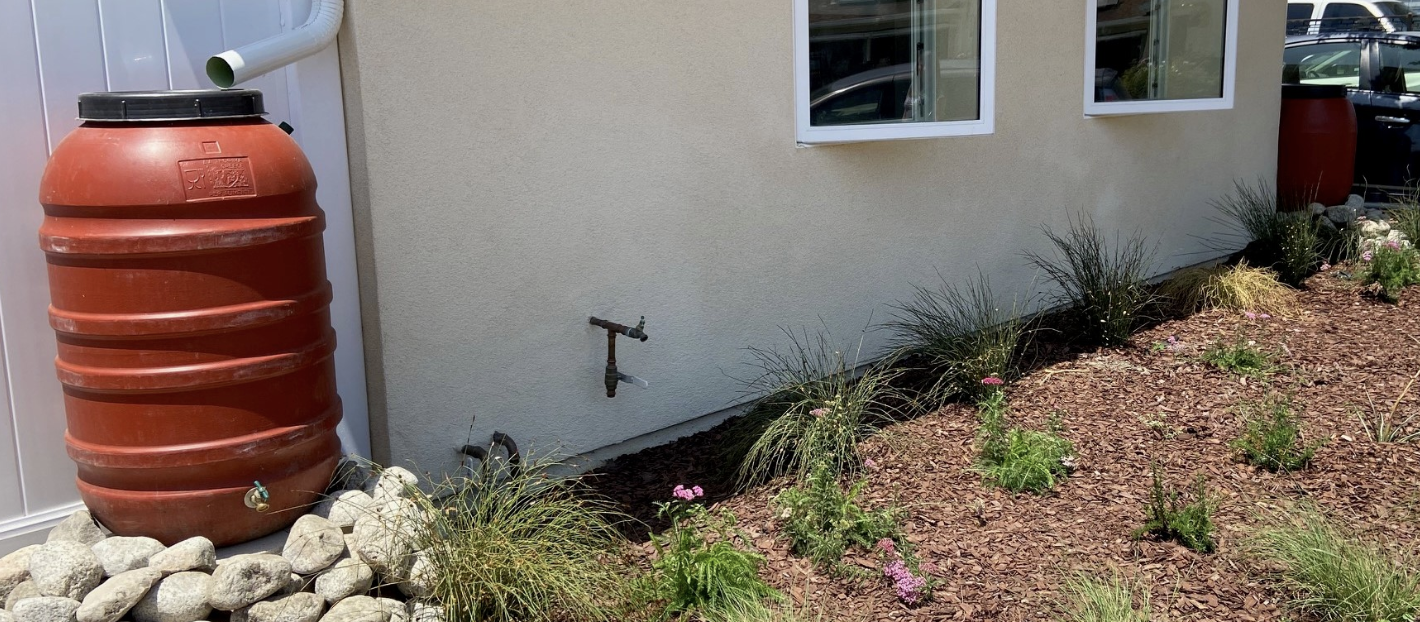
CalWEP has submitted comments to the California Department of Housing and Community Development (HCD) on its draft research and recommendations for residential rainwater catchment systems developed pursuant to Senate Bill 597.
CalWEP’s involvement with SB 597 dates back to 2024, when we submitted a letter supporting the legislation and its goal of better understanding how rainwater catchment systems could contribute to water conservation, efficiency, and local water supply resiliency in California.
Now that the legislation has become law, HCD is carrying out that work and CalWEP is continuing its engagement as the state considers what comes next. SB 597 directed HCD to research and develop recommendations regarding building standards for rainwater catchment systems used for nonpotable purposes in newly constructed residential dwellings.
HCD has now released its draft research and recommendations. The report evaluates existing building standards, costs and feasibility, potential water savings, geographic differences across California, housing affordability considerations, and opportunities for incorporating rainwater catchment into new residential construction. The research recognizes an important reality: rainwater catchment will not look the same everywhere in California. Differences in rainfall, climate, building type, system design, storage capacity, and intended use can substantially affect both the feasibility of a system and the water savings it ultimately provides. HCD therefore emphasizes flexibility rather than a one-size-fits-all approach.
CalWEP agrees with that general direction. However, our review identified two areas where we believe additional clarification and consideration could strengthen HCD’s final report.
CalWEP’s Position
Getting the Water Savings Right
One of CalWEP’s primary comments focuses on how potential water savings are characterized. HCD’s draft report estimates approximately 39,000 gallons of water saved per household annually using median roof size and average statewide rainfall. However, the report also recognizes that actual savings depend on factors including roof catchment area, rainfall patterns, storage capacity, system configuration, and intended use.
The amount of rainwater theoretically available for capture is not necessarily the same as the amount that can practically be captured, stored and used, or the amount of potable water demand ultimately displaced. In our comments, CalWEP recommends that HCD more clearly distinguish between potential rainwater capture and realized potable water savings, particularly when presenting statewide estimates. Clear and transparent assumptions are essential to accurately understanding the water-efficiency benefits these systems can provide.
Designing Today for Tomorrow’s Water Needs
CalWEP is also encouraging HCD to take a closer look at pre-plumbing and other future-ready design measures in new residential construction.
HCD’s research finds that incorporating pre-plumbing during construction can make it easier and less costly to adopt alternative water supplies later by reducing the need for future retrofits. The report also identifies pre-plumbing as a relatively low-cost strategy for preserving future water reuse opportunities while minimizing near-term impacts on housing construction costs.
Requiring fully installed rainwater catchment systems statewide may not make sense given California’s varying climates and conditions. But designing new homes so they can more easily accommodate rainwater catchment or other nonpotable water sources in the future could provide a cost-effective opportunity to support long-term water efficiency and resiliency. CalWEP is therefore encouraging HCD to further evaluate pre-plumbing and similar future-ready measures as it develops its final recommendations.
Why This Matters
California’s water future will require more than any single conservation strategy or alternative water source. Rainwater catchment is one piece of a broader approach to reducing potable water demand, diversifying local water supplies, and building greater resilience to increasingly variable conditions. But effective water policy also depends on getting the details right.
Water savings assumptions need to reflect what can realistically be captured and used. Building standards need to recognize California’s significant geographic differences. And where relatively low-cost opportunities exist to prepare buildings for future water reuse, those opportunities deserve careful consideration. That balance between advancing water efficiency and ensuring that policies remain practical, flexible, and supported by sound data, is central to CalWEP’s approach to water policy.
Looking Ahead
HCD will use stakeholder feedback to inform its final recommendations on residential rainwater catchment building standards.
CalWEP will continue to engage in this process as SB 597 moves from legislation into implementation and will advocate for an approach that supports water efficiency while recognizing the practical, economic, and geographic considerations associated with rainwater catchment systems.
📄 Read CalWEP’s full SB 597 comment letter HERE