













By Dani Morgutia, Senior Program Manager
California’s landscapes are being asked to do more than ever before.
They are expected to use less water, are increasingly expected to replace nonfunctional turf, all while supporting healthy trees, providing shade and habitat, withstanding hotter temperatures, and increasingly, they also need to help protect homes and communities from wildfire.
On August 19, the California Board of Forestry and Fire Protection approved the final draft of California’s first-in-the-nation Zone 0 defensible space regulations, establishing new wildfire resilience requirements for the first five feet surrounding homes and structures in designated fire hazard areas. For California’s water use efficiency community, this may sound like a wildfire policy issue. But it’s also a landscape transformation issue.
As water agencies across California continue expanding turf replacement programs, direct installation programs, rebates, technical assistance, and customer education in response to Making Conservation a California Way of Life and Assembly Bill 1572, Zone 0 adds another important consideration to how we think about the landscapes replacing turf. The question for our community is changing beyond "how do we help Californians use less water outdoors?" to an even bigger question:
How do we help Californians create landscapes that are water-efficient, climate-appropriate, healthy, maintainable, and resilient to wildfire?
So What Is Zone 0?
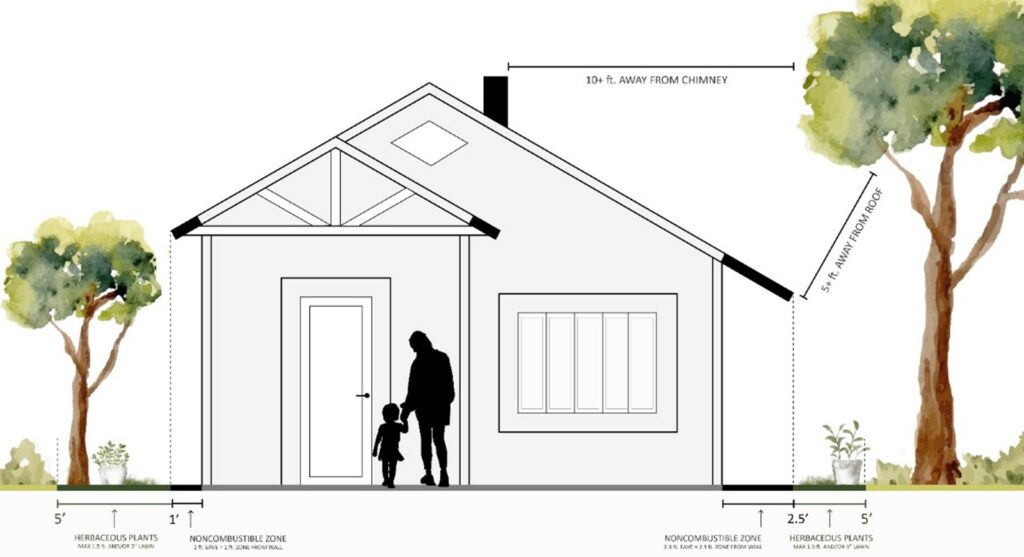
Zone 0 refers to the area within the first five feet surrounding a home or structure. The California Board of Forestry and Fire Protection developed the regulations following more than 15 months of public engagement, including research, workshops, site visits, walking tours, public comments, and conversations with homeowners, fire professionals, environmental organizations, and local governments.
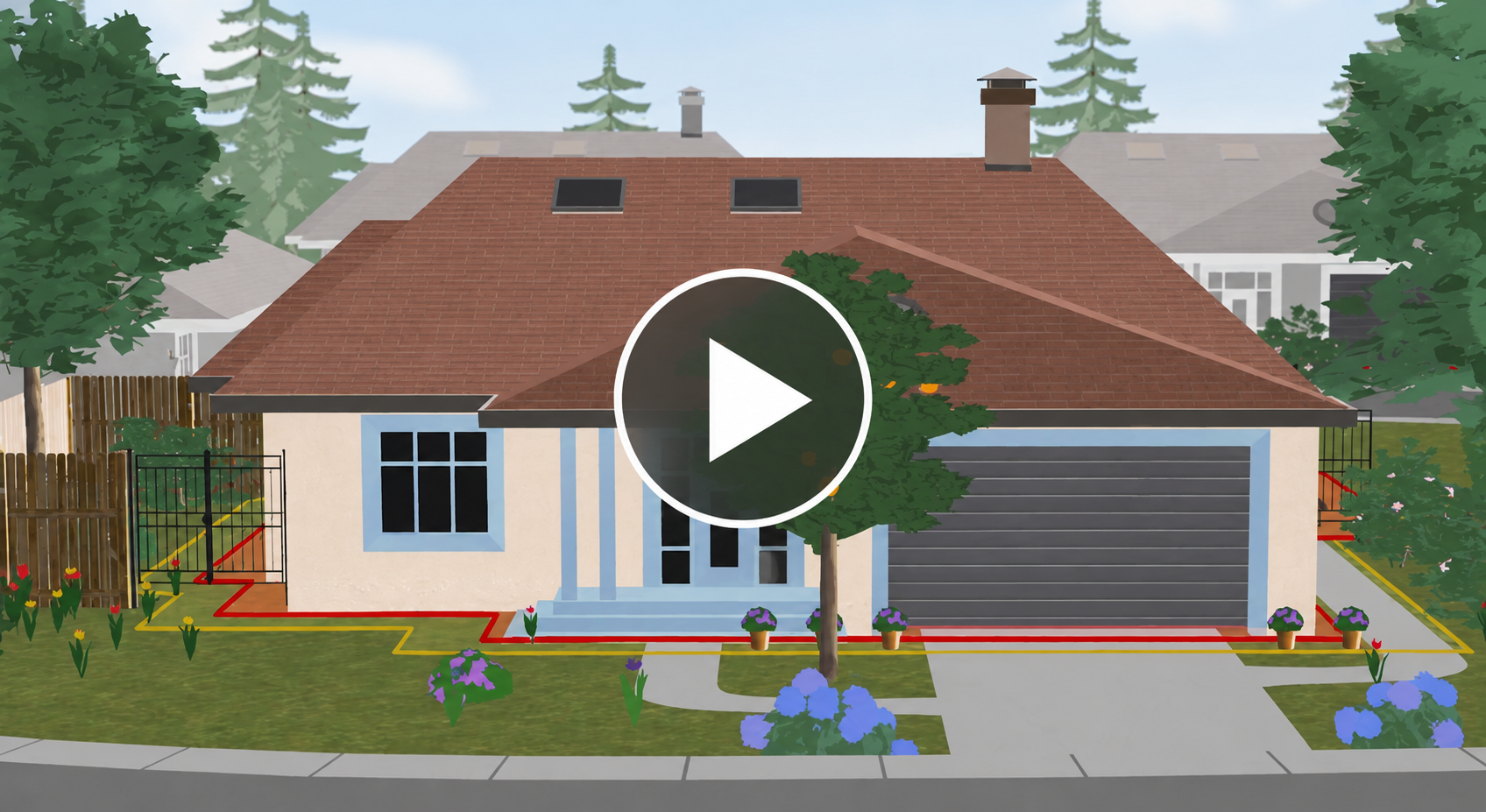
The newly approved framework creates two areas within Zone 0. Immediately adjacent to the structure and beneath the eaves is a non-combustible safety zone. The width of that area generally corresponds with the depth of the building’s eaves, with at least a one-foot buffer required. The remainder of the five-foot area is treated as a low-combustibility zone, where certain types of vegetation may continue to be used when appropriately selected, spaced, and maintained.
It's important to note, Zone 0 does not mean that every property must remove every plant within five feet of a building. Instead, the regulations establish specific conditions for what can remain and where. Well-maintained herbaceous plants and flowers may be allowed outside required vegetation-free buffers. Examples identified by the Board include smaller non-woody plants, certain low-growing groundcovers, succulents, and even properly maintained grass. Potted plants may also be permitted when placed in easily movable, non-combustible containers.
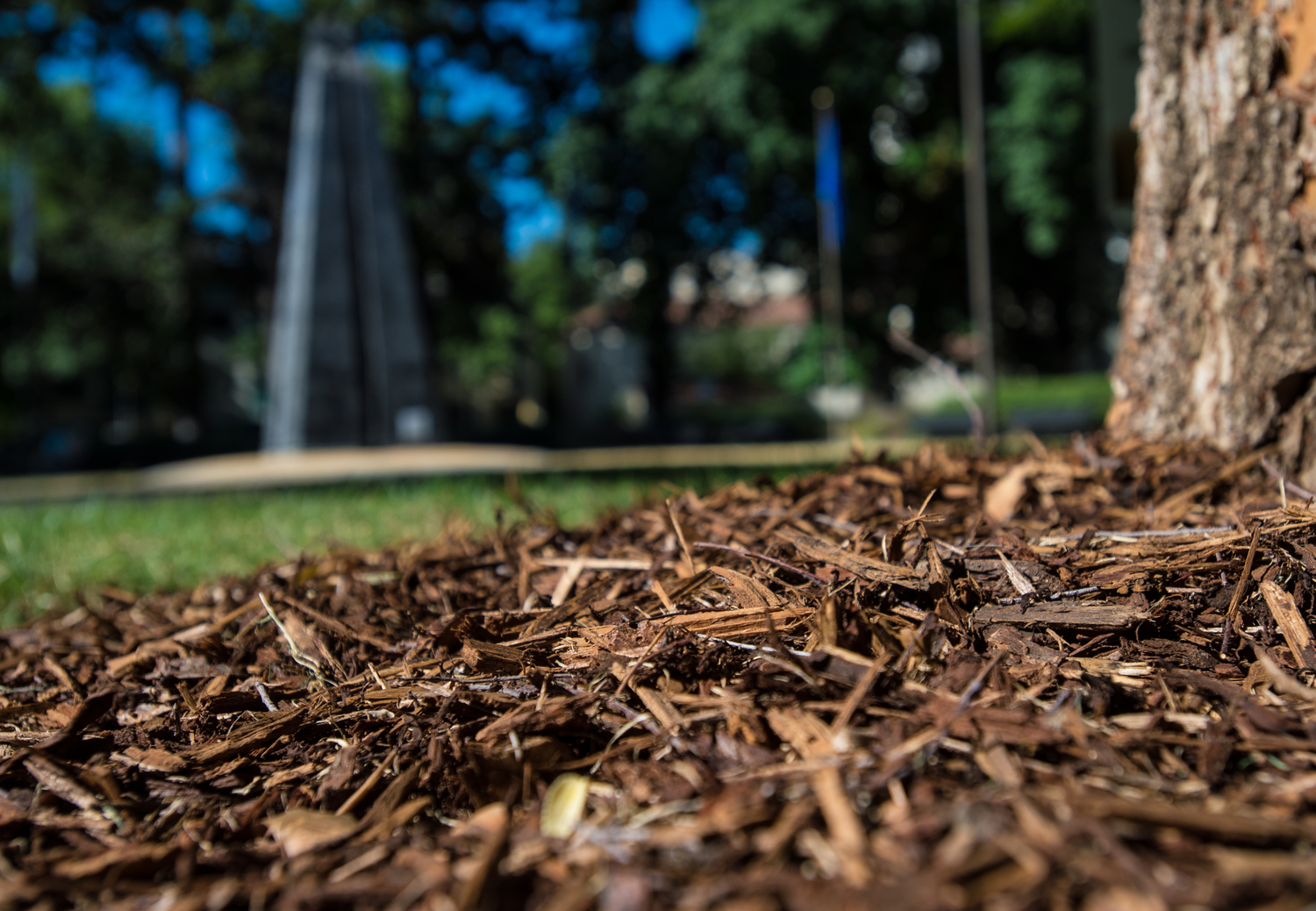
Trees are also allowed within Zone 0, subject to maintenance requirements intended to reduce potential pathways for fire. At the same time, combustible materials such as bark mulch, wood chips, firewood, dead leaves, and dead or dying vegetation are not permitted within Zone 0. For a helpful visual explanation of how these requirements work around a structure, the Board has developed this short explainer video:
Who Will the Requirements Apply To?
The Zone 0 requirements apply to homes located within California’s State Responsibility Area (SRA) and homes located within Very High Fire Hazard Severity Zones in Local Responsibility Areas (LRA).
The implementation will occur in phases with new constructions being required to comply once the regulations complete the state’s formal regulatory approval process, while existing homes having additional time to implement Zone 0 requirements.
During Phase 1, implemented within the first three years, property owners will address combustible materials within the first five feet of structures. This includes removing materials such as firewood, dead vegetation, combustible mulch and wood chips; cleaning roofs and gutters; maintaining trees; and making adjustments to vegetation where necessary. During Phase 2, implemented within five years, additional requirements will address the under-eave safety zone as well as combustible gates, fencing, sheds, and other structures within Zone 0.
The Board has emphasized that implementation will initially prioritize education and outreach rather than penalties, providing homeowners time to understand the requirements and make changes. Local jurisdictions will also retain some flexibility; a communities may develop alternative approaches when they achieve equivalent fire safety outcomes and may adopt more stringent standards based on local wildfire conditions.
Following the Board’s approval, the regulatory package must still proceed through review by the Office of Administrative Law before final approval and publication by the California Secretary of State.
Why the Water Efficiency Community Should Be Paying Attention
California is about to undertake an enormous amount of landscape transformation, and the landscapes we help create today could remain in place for decades. Under Making Conservation a California Way of Life, urban retail water suppliers are operating under a long-term framework that includes outdoor residential water use efficiency and CII outdoor landscape efficiency. At the same time, AB 1572 begins prohibiting the use of potable water to irrigate nonfunctional turf on covered properties according to a phased implementation schedule beginning January 1, 2027. That means water agencies, cities, landscape professionals, nurseries, contractors, property managers, HOAs, and customers are going to be making many decisions about what replaces turf. Zone 0 introduces another consideration into those decisions.
A landscape can be water-efficient and still be poorly designed for wildfire resilience. Likewise, a landscape can reduce combustible material but create other unintended consequences if the solution is simply removing vegetation and replacing it with large expanses of rock or hardscape. Our opportunity is to think about these objectives together.
Turf Replacement Programs May Need to Ask Different Questions
Historically, many turf replacement programs have understandably centered their requirements around one primary outcome: water savings.
- How much turf was removed?
- What replaced it?
- Was irrigation converted?
- How much water could the project save?
Those questions remain important, but California’s changing regulatory environment suggests that program design may increasingly need to consider a broader set of landscape outcomes. For example, when reviewing a turf replacement project in a high wildfire-risk community, agencies may want to consider where turf is located relative to a structure before recommending replacement materials. If turf immediately adjacent to a home is replaced with combustible bark mulch or wood chips, the project may accomplish one water efficiency objective while creating a future conflict with Zone 0 requirements.
This doesn’t mean water agencies need to become wildfire regulators. But it does mean we should understand how our programs interact with other statewide landscape policies. Program materials, landscape templates, eligible-material lists, contractor guidance, customer education, and inspection protocols may all need to evolve as these requirements are implemented.
Direct Installation Programs Have an Even Bigger Opportunity
This conversation may be especially important for direct installation turf transformation programs. Unlike traditional rebates, where customers typically make many of their own landscape design and installation decisions, direct installation programs give agencies and their contractors greater influence over the final landscape. That creates both an opportunity and a responsibility. If an agency is directly designing or installing a landscape in an area subject to Zone 0 requirements, project planning could begin incorporating wildfire resilience considerations alongside water efficiency.
That could mean evaluating:
- the distance between planting areas and structures;
- the location of windows, doors, vents, decks, fences, and eaves;
- whether proposed mulch or landscape materials are combustible;
- plant form and placement within the first five feet;
- irrigation design necessary to establish and maintain permitted vegetation;
- existing tree locations and long-term tree health;
- ongoing maintenance expectations; and
- whether customers understand that maintaining the landscape is part of maintaining its wildfire resilience.
If California is investing public dollars to transform landscapes, we should be thinking about whether those landscapes are compatible with the other climate resilience policies those same customers will be expected to follow.
Maintenance Matters More Than Ever
Zone 0 also reinforces something the water efficiency community already knows well: Landscape transformation does not end when the turf comes out.
During my time working in the public agency sector, I often reminded customers that the real work begins after the new landscape goes in. A successful landscape isn’t something you simply install and walk away from. It takes time, attention, and ongoing care—and, perhaps most importantly, a willingness to learn how to work with your new landscape as it grows and changes.
The new Zone 0 regulations repeatedly emphasize maintenance. Dead and dying vegetation must be removed. Trees must be maintained. Ladder fuels must be addressed. Combustible debris cannot accumulate. Vegetation that is permitted within Zone 0 must continue meeting applicable requirements. That creates an important connection to a challenge many water agencies are already confronting with turf replacement programs. We can help customers install beautiful, climate-appropriate landscapes, but without continued maintenance those landscapes can change significantly over time.
For agencies designing turf transformation programs, this may mean thinking beyond installation and asking what education, maintenance guidance, follow-up communication, or digital tools customers need to successfully manage these landscapes over time.
A New Era for California Landscapes
California’s outdoor spaces are entering a period of significant change. Making Conservation a California Way of Life is reshaping how the state measures and manages outdoor water use. AB 1572 is accelerating the transition away from irrigated nonfunctional turf. Zone 0 is introducing new expectations for how landscapes immediately surrounding homes are designed and maintained in wildfire-prone communities.
And climate change continues to raise the stakes surrounding drought, extreme heat, wildfire, water supply reliability, and community resilience. None of these policies exists in isolation once they reach the landscape. They meet in the same front yards, commercial properties, public spaces, irrigation systems, trees, planting beds, and communities where our members work every day.
For California’s water use efficiency community, that means our work is evolving too. Success cannot only be measured by how many square feet of turf we remove, it should also be reflected in what we leave behind.
- Landscapes that use water wisely.
- Landscapes people can realistically maintain.
- Landscapes that preserve healthy trees.
- Landscapes that provide environmental and community benefits.
- And increasingly, landscapes designed with wildfire resilience in mind from the beginning.
What Comes Next
The Board-approved Zone 0 regulation must still complete the state regulatory review process before becoming effective, and implementation guidance will continue to develop.
CalWEP will continue monitoring this process and evaluating what the final requirements mean for water agencies, particularly as they relate to turf transformation, direct installation programs, customer education, and landscape program design.
For agencies currently updating program specifications or preparing for increased landscape transformation under AB 1572 and Making Conservation a California Way of Life, now is a good time to begin asking a simple question:
Are the landscapes we are helping create today prepared for the California of tomorrow?