


















July 22, 2026 | Dani Morgutia, Senior Program Manager
Every day, thousands of Californians visit nurseries looking for guidance on what to plant, how to design their landscapes, and how to navigate California’s evolving water efficiency requirements. Those conversations can shape landscapes for decades. That’s why educating the professionals behind those conversations is so important.
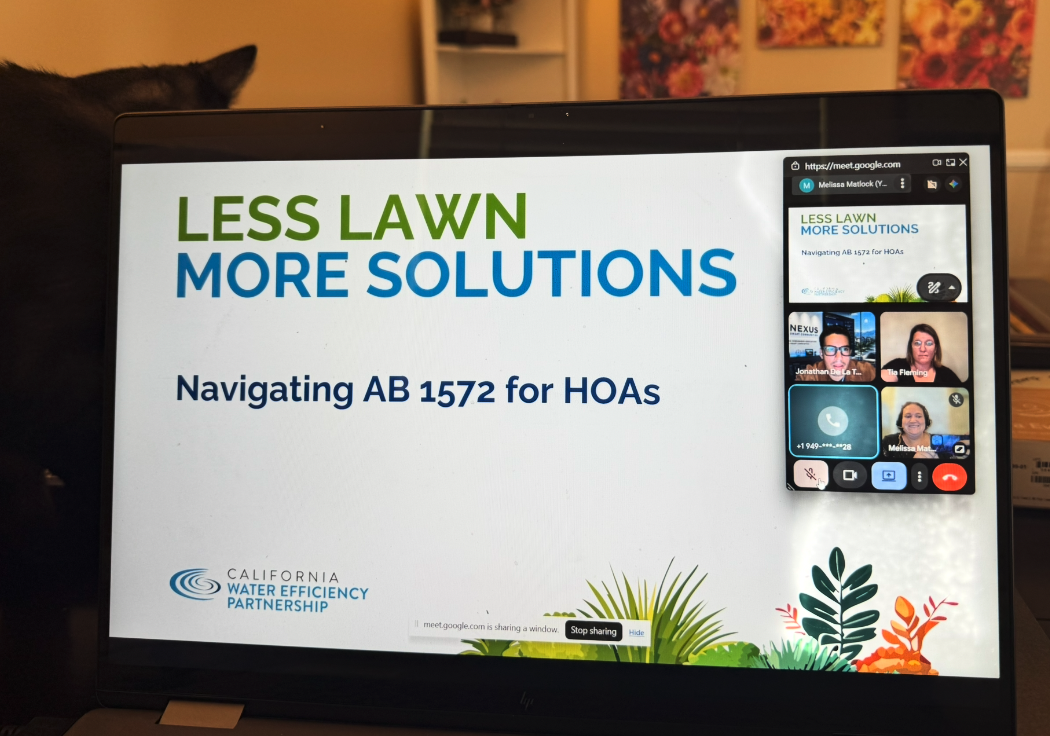
This summer, CalWEP partnered with Devil Mountain Wholesale Nursery to deliver a statewide training series designed to prepare nursery professionals for the implementation of California’s Nonfunctional Turf (NFT) requirements under AB 1572.
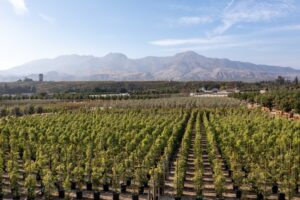
For me, this partnership was especially meaningful. Before transitioning into the water industry, I spent the first chapter of my career as a botanist, helping others envision what their future landscapes could become and empowering them to connect more with the environment through the power of connecting with their gardens. Those conversations often extended far beyond selecting plants, they involved understanding a customer’s goals, introducing them to climate-appropriate options, and building the confidence to transform their outdoor spaces and developing their green thumb that I strongly believe, we all innately have. That experience continues to shape how I approach water efficiency today and reinforced the importance of investing in the professionals who guide those decisions every day.
Building Confidence Before Questions Arise
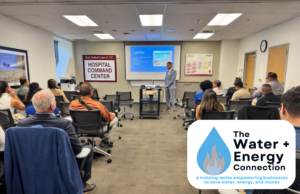
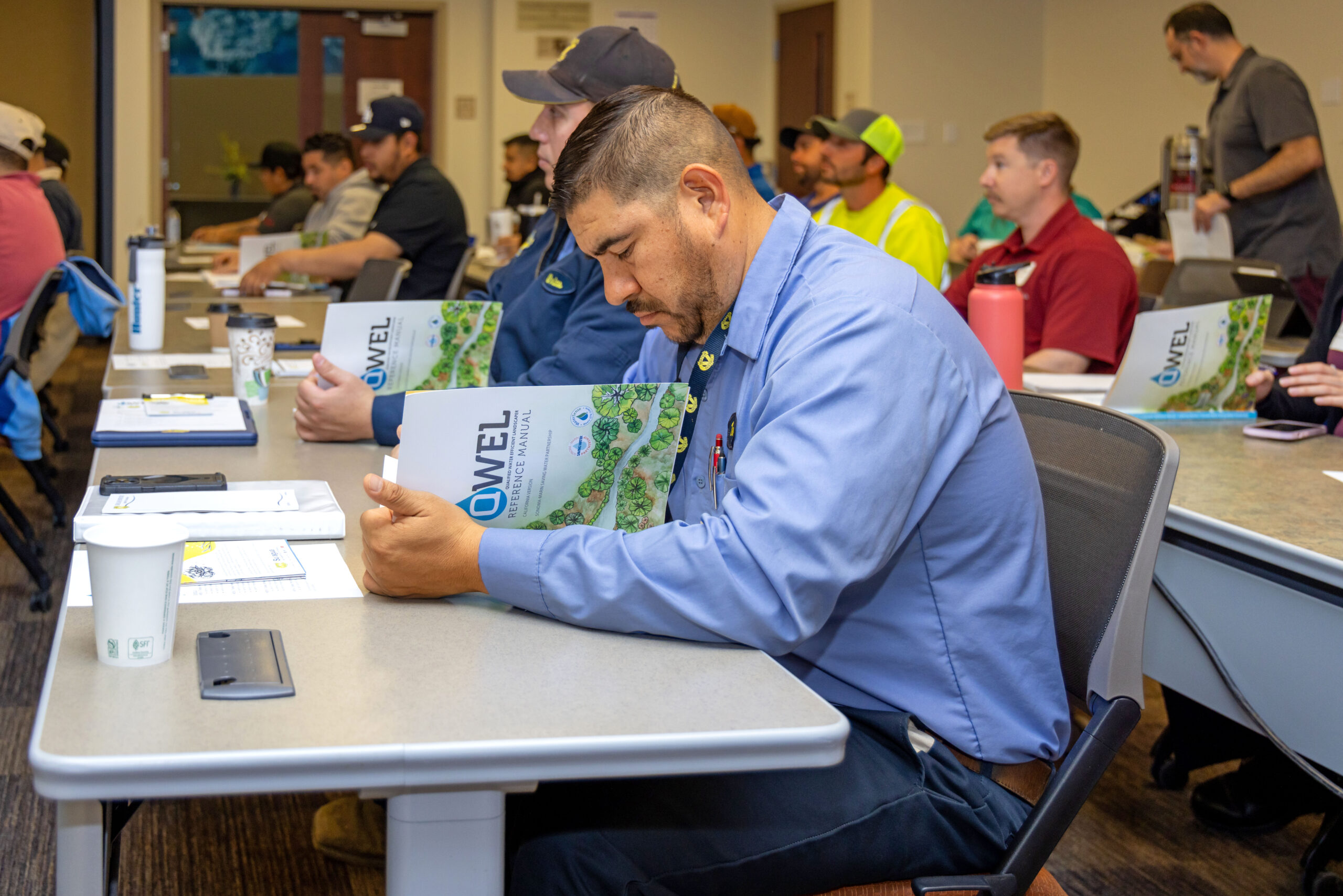
Across five virtual training sessions, 73 Devil Mountain team members participated from locations spanning Petaluma to San Diego. Attendees represented nearly every part of the organization including sales, production, inventory, purchasing, marketing, sales support, and executive leadership.
The training covered:
- Understanding AB 1572 and California’s phased implementation timeline
- Identifying where the legislation applies—and where important exceptions exist
- Protecting existing healthy trees during landscape transformations
- Using WUCOLS to recommend climate-appropriate plants
- Smart irrigation principles and water-efficient landscape design
- Strengthening partnerships with local water agencies to connect customers with regional rebate programs, conservation resources, and trusted guidance throughout the landscape transformation process
“By gaining a better understanding of AB 1572, local rebates available, and great plant resources, we can be stronger advocates. Your presentation has given us the confidence to engage more effectively with clients who are directly impacted by these changes," - Annie Steendam-Cunningham, Training Specialist at Devil Mountain Wholesale Nursery.
Why Nursery Professionals Matter
Water agencies across California have invested significant resources into helping residents, businesses, and public agencies transition away from nonfunctional turf. But many customers begin their journey somewhere else first. Having worked in nurseries myself, I’ve seen firsthand that customers rarely arrive looking for a specific plant. They’re looking for guidance. They’re trying to solve a problem, visualize a space, or understand what is possible. Nursery professionals become educators, designers, translators, and trusted advisors long before a landscape project ever begins. They're the ones answering questions like:
- What plants will thrive here?
- Can I keep my existing trees?
- How should I update my irrigation?
- What projects qualify for rebates?
By equipping nursery professionals with current information and practical resources, CalWEP hopes to strengthen the connection between water agencies, landscape professionals, and the horticulture industry, creating a broader network of trusted voices supporting California’s water conservation goals.
“Our teams left these sessions with a much stronger understanding of AB 1572 and how it impacts our customers. This training gives our sales teams the confidence to ask better questions, recommend water-wise plant solutions, and connect customers with the right resources as they make landscape decisions," - Amy Griffiths, Training Director at Devil Mountain Wholesale Nursery.
Looking Ahead
As AB 1572 implementation continues over the coming years, education will remain one of the most effective tools for ensuring successful landscape transformations. CalWEP believes implementation succeeds when everyone involved, from water agencies and landscape professionals to nurseries and property owners, shares a common understanding of both the regulation and the opportunities it creates. This partnership with Devil Mountain Wholesale Nursery represents an exciting step toward that vision!

By investing in education at the point of sale, we’re helping ensure that every customer conversation has the potential to become a conversation about water efficiency, resilient landscapes, healthy trees, and California’s sustainable future.
This training series marks the first phase of a broader effort to strengthen partnerships between California’s nursery industry and local water agencies, creating ongoing opportunities for regional collaboration, resource sharing, and customer education as AB 1572 implementation continues.